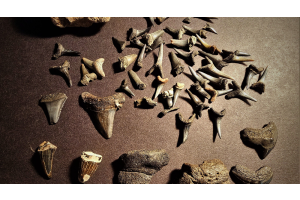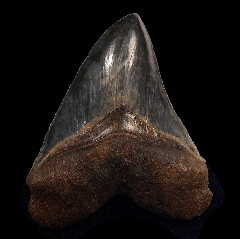
Collectors today face a growing challenge in acquiring one particular fossil: the Aurora megalodon tooth. Known for its sharp preservation, striking coloration, and regional rarity, this fossil once flowed into collector markets through a reliable source. That source, the Lee Creek mine near Aurora, supplied tooth specimens with unmatched characteristics. However, as access to this site has closed and collector behavior has shifted, these prized fossils have become harder to find. Understanding why this change matters helps both new and seasoned fossil hunters navigate a tightening and more competitive marketplace.
Why the Aurora Megalodon Tooth from Lee Creek Stood Out for Discovery?
The Lee Creek mine earned global recognition for the fossilized marine life it preserved beneath its phosphate-rich layers. Among the many finds, the megalodon teeth stood out for their exceptional size, high-quality enamel, and region-specific colors. Collectors could identify the origin of many teeth at a glance. Teeth from this site often featured subtle blue, gray, or tan hues, setting them apart visually and scientifically.
The location contributed to more than just aesthetics. The soil composition helped maintain full serrations and thick roots, which rarely required restoration. These natural advantages elevated the reputation of the teeth and created a consistent demand across collector communities. While many fossil sites around the world produce megalodon teeth, few match the condition and visual appeal of those found in Lee Creek.
Site Closure Reshaped the Market Supply
When public access to the Lee Creek site stopped, the shift happened quietly but left a lasting impact. Fossil hunters could no longer enter the site during seasonal events. That closure stopped the flow of new material from this region. As a result, collectors now rely on what remains in private hands. Fewer teeth appear in trade, and the listings that do surface often involve higher costs and stricter vetting.
Without new excavation, buyers must compete for a shrinking number of genuine teeth. Collectors who have already acquired these fossils often hesitate to resell them, as they are highly valued and in high demand. They recognize the long-term value. These owners preserve their teeth, knowing their rarity grows with each passing year. That decision shapes today’s market landscape and sets the tone for future availability.
Collectors Shift to Long-Term Holding
The way collectors think and act has evolved. Many no longer trade as frequently as in the past. Instead, they select fossils with the intention of keeping them. For Aurora megalodon teeth, this behavior feels even more pronounced. The combination of beauty, preservation, and shrinking supply encourages owners to hold their fossils indefinitely.
This shift produces three significant results
• Teeth with a clear origin and top condition rarely return to the open market.
• Owners invest in protective cases, documentation, and preservation strategies.
• Market listings grow less frequent and more competitive when they do appear.
Buyers now need more than money. They need timing, knowledge, and trusted sources to secure genuine fossils from Lee Creek. These new expectations raise the threshold for entry into this specialized segment of the fossil market.
Trust and Provenance Now Lead the Conversation
Modern fossil buyers approach transactions with higher standards. They ask more questions and expect better documentation. Provenance matters more than ever. A label that says 'Aurora' without proof no longer satisfies serious collectors. They want to know the tooth’s excavation context, its previous ownership, and any restoration history.
This demand for authenticity leads to several noticeable patterns
• Teeth with incomplete background often remain unsold.
• Buyers request detailed photos, measurements, and sometimes even third-party verification.
• Sellers who cannot meet these standards struggle to move inventory.
This trust-driven environment benefits collectors but slows turnover. Fewer transactions mean fewer chances to purchase teeth of this kind. Patience and preparation now guide the buying process more than impulse or casual interest.
Online Exposure Raises Demand But Limits Supply
As fossils gain more visibility online, interest in the Aurora megalodon tooth grows. Collectors share photos on forums, in private groups, and through specialty sites. These posts create new waves of demand. Viewers admire the color, size, and symmetry. But with rising interest comes increased pressure on an already limited supply.
Some buyers respond by watching listing platforms daily. Others establish direct contact with trusted sellers and ask to be notified when a suitable tooth becomes available. This activity reflects a highly active but cautious market. The desire exists, but the inventory cannot consistently meet it.
Why Prime Specimens Stay Off the Open Market?
Long-term collectors understand the historical and scientific weight their fossils carry. Many built their collections over decades, during times when access to Lee Creek was still possible. Today, they treat these fossils not just as collectibles but as personal archives. They preserve their best finds and often pass them through family or private channels instead of selling them.
These decisions remove the highest quality teeth from public circulation. When listings appear, they often involve smaller or lower-grade specimens. That shift changes buyer expectations. It encourages a greater appreciation for quality and origin, and it reshapes how collectors approach fossil acquisition in general.
How Buyers Can Navigate a Tougher Market?
Buyers who seek genuine Aurora specimens must act with intention and care. They should start by educating themselves about tooth structure, coloration, and signs of tooth restoration. Comparing known examples can help sharpen judgment. Once ready, buyers should focus on a few key strategies
• Work with sellers who specialize in Lee Creek fossils and understand their value.
• Request clear documentation and avoid teeth with vague descriptions.
• Prepare to act quickly when a verified tooth surfaces.
Approaching the search with discipline helps collectors avoid disappointment. It also increases the chances of acquiring a tooth that retains value and historical significance.
Conclusion
The aurora megalodon tooth no longer appears in fossil markets with the frequency or ease it once did. Site access closures, collector behavior, and rising trust requirements have changed how these teeth move. For serious buyers, the market now demands more patience, thorough research, and strategic planning. But for those who succeed, the reward remains unmatched. These teeth offer a tangible link to deep time, wrapped in beauty, rarity, and an increasingly precious backstory.
Footnote
Lee Creek fossils continue to shape the collector market due to their rarity, exceptional condition, and deeply rooted reputation among experts and hobbyists alike.